Tea and Chocolate

We’re exploring pairing tea and chocolate today with Debbie Raab, co-owner and co-founder of the unique and delightful Tea for All in Lawrence, New Jersey.

One of the things that makes Tea for All unique is its location inside the Trenton Farmers Market, the longest-running indoor farm market in New Jersey. Before delving into the pairings, Debbie shares with us a bit of the history of Tea For All and the tea journey she and her husband Mike Raab (Tea For All’s other co-owner and co-founder) have taken, as we discuss Debbie’s approach to teaching about tea and to creating and experimenting with pairings.

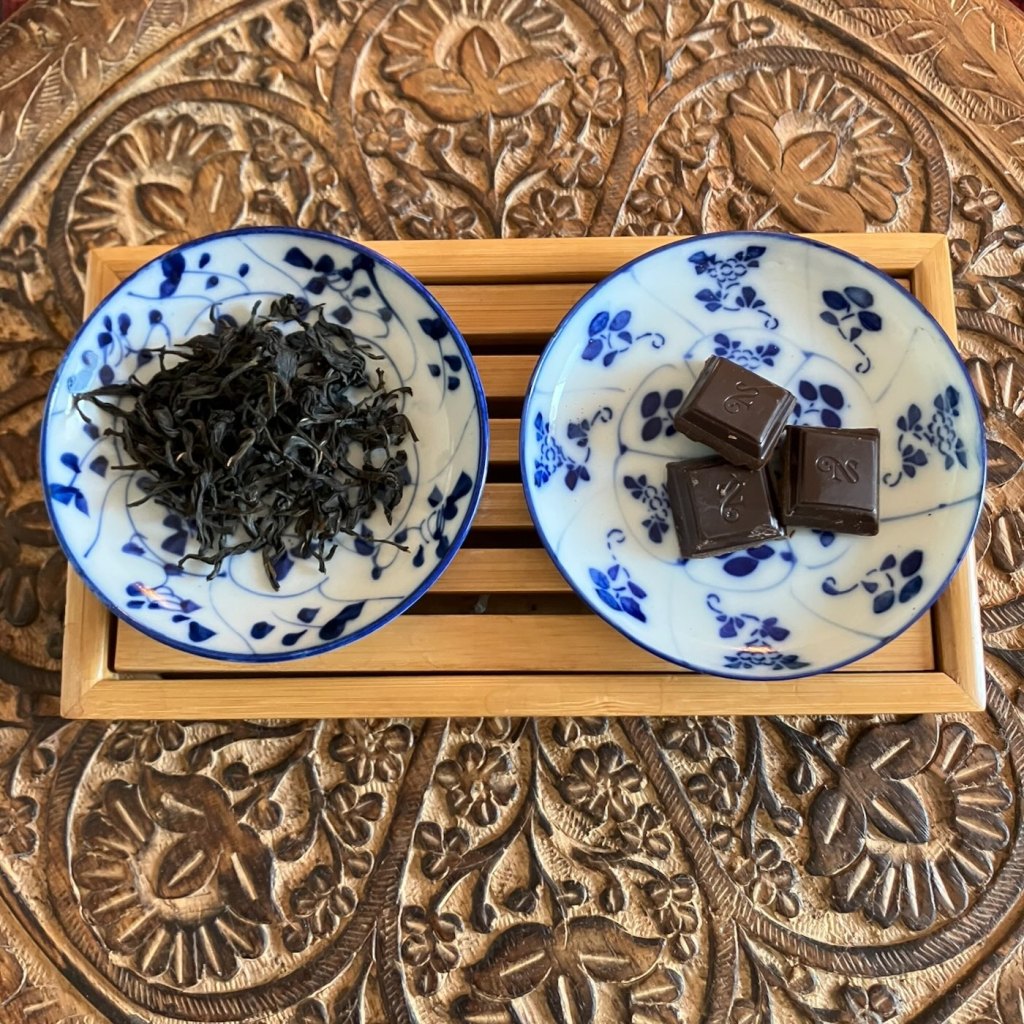
Debbie chats with us about her view of the importance of trial and error in exploring and experiencing tea and tea-chocolate pairings and her preferences for choosing chocolates for pairing , and then begins the pairings themselves. We taste six tea and chocolate pairings in all. During the pairings, we talk about the differences between pairings that contrast, pairings that complement and pairings that enhance the flavors of the tea and the chocolate, different methods for tasting the teas and the chocolates, and how tea and chocolate pairings can lead to new discoveries about the flavors and textures of our teas. And Debbie also tells us about some of Tea For All’s ongoing and periodic events, classes and tea practice sessions.

For easy reference for trying these or similar pairings at home, the time marks for the teas and types of chocolates (by cacao percentage) we paired are:

11:05:   58% cacao paired with a gyokuro kukicha (Tea For All’s Kukicha Supreme), followed by the same chocolate paired with Doke Black Fusion, a black tea from Bihar State, India.

21:21:   60% cacao paired with Ganesha Green, a Nepali green tea from the Kanchanjangha Tea Estate, followed by the same chocolate paired with Chota Tingrai Assam black tea from Assam, India.

30:50:   71% cacao paired with a black tea from the town of Volcano on the Big Island of Hawaii (Tea For All’s Hawaii Volcano Premium Black).

36:25:   72% cacao paired with a Bao Zhong from Taiwan.

During the pairings we took some time between tasting the chocolates and tasting the teas to allow Debbie to brew the tea and to allow the flavors of the chocolate to settle in the mouth, and sometimes to take a palate cleanser (Debbie used small tidbits of celery). You won’t hear these gaps in the podcast, but you may want to take these pauses if you’re doing the pairings at home. 

Tea for All is located in the Trenton Farmers Market, 960 Spruce Street, Lawrence NJ. Hours, event information and Tea For All’s online store are on its website, tea-for-all.com. You can find Tea For All on Instagram and and Facebook feeds at Tea-For-All Tea Shoppe.

Follow Talking Tea on Facebook or on Instagram  at talkingteapodcasts

Talking Tea is produced and hosted by Ken Cohen. 

more about Talking Tea 

The views and opinions expressed by guests on Talking Tea are those of the guests and do not necessarily reflect the views or opinions of Talking Tea or its staff.

This podcast features music from “Japanese Flowers” (https://soundcloud.com/mpgiii/japanese-flowers) by mpgiiiBEATS (https://soundcloud.com/mpgiii) available under a Creative Commons Attribution 3.0 Unported license (http://creativecommons.org/licenses/by/3.0/). Adapted from original.

Header image “Raw Puerh mid 1980 Menghai” by Cosmin Dordea, used under a Creative Commons CC By-SA 2.0 license. Adapted from original.
Balhyocha, A Uniquely Korean Tea

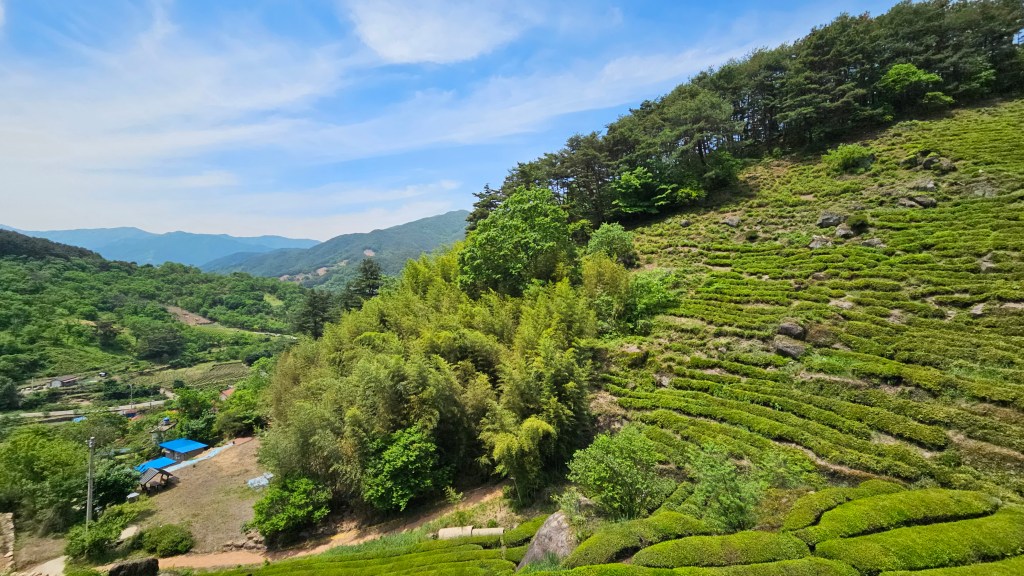
Balhyocha is a tea unique to Korea – it’s not produced anywhere else – and its rich and varied flavor profiles are also unique, not quite like any other teas we’ve tasted here at Talking Tea. But for many tea drinkers, even afficianados of balhyocha, it’s also rather mysterious. What exactly is balhyocha? How is it processed? What gives it its unique, lovely complexity?

To explore these questions we’re chatting with Eric Glass, who, with Arthur Park, runs the annual TeaBuy Korea at Morning Crane Tea. Eric talks with us a bit about his own tea journey and how we came to discover Korean tea and in particular balhyocha, and then we delve into what balhyocha is and what it isn’t. We discuss what defines balhyocha and what makes it difficult to categorize, we talk about the subcategory of balhyocha known as hwangcha or “yellow” tea (not to be confused with Chinese yellow tea), we discuss flavor profiles of balhyocha and we look at comparisons with oolongs and black tea or hongcha. We look at the origins of Korean tea cultivars and the impact of seed-grown versus clonal bushes, terroirs and processing techniques unique to balhyocha on the flavor profiles and body-feel of the teas.

In addition to the TeaBuy Korea, Eric ran Morning Crane’s tea tour to Korea in 2023, and we discuss some of the challenges Eric saw tea producers encountering and the uncertain future they’re facing. Eric also shares his perspectives on why Korean teas in general and balhyocha in particular aren’t widely known outside of Korea, and he makes some recommendations for what kind of cups to use to best enjoy balhyocha.

Morning Crane’s website is at morningcranetea.org.

The Korean Tea Drinkers Facebook page is here.

In addition to his work with Morning Crane, Eric Glass has his own tea company, The Fragrant Cup. Though The Fragrant Cup’s website is currently being redesigned, for info about Fragrant Cup’s offerings you can contact Eric directly at Tea@fragrantcup.com.

Follow Talking Tea on Instagram at talkingteapodcasts.

Talking Tea is produced and hosted by Ken Cohen. 

more about Talking Tea 

The views and opinions expressed by guests on Talking Tea are those of the guests and do not necessarily reflect the views or opinions of Talking Tea or its staff.

This podcast features music from “Japanese Flowers” (https://soundcloud.com/mpgiii/japanese-flowers) by mpgiiiBEATS (https://soundcloud.com/mpgiii) available under a Creative Commons Attribution 3.0 Unported license (http://creativecommons.org/licenses/by/3.0/). Adapted from original.

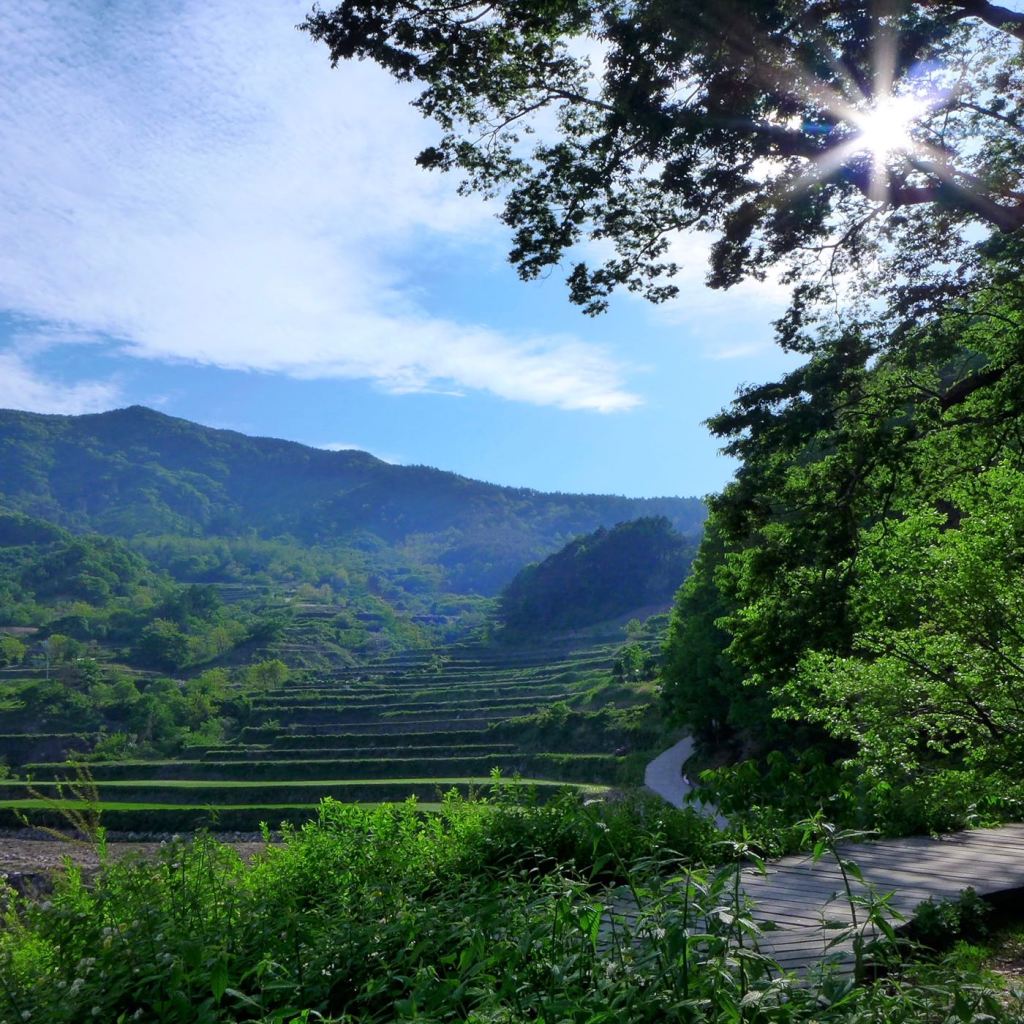
Episode image of the Dosim Dawan tea gardens, discussed in the episode, by Eric Glass.

Header image “Raw Puerh mid 1980 Menghai” by Cosmin Dordea, used under a Creative Commons CC By-SA 2.0 license. Adapted from original.
Emptiness in Tea Practice

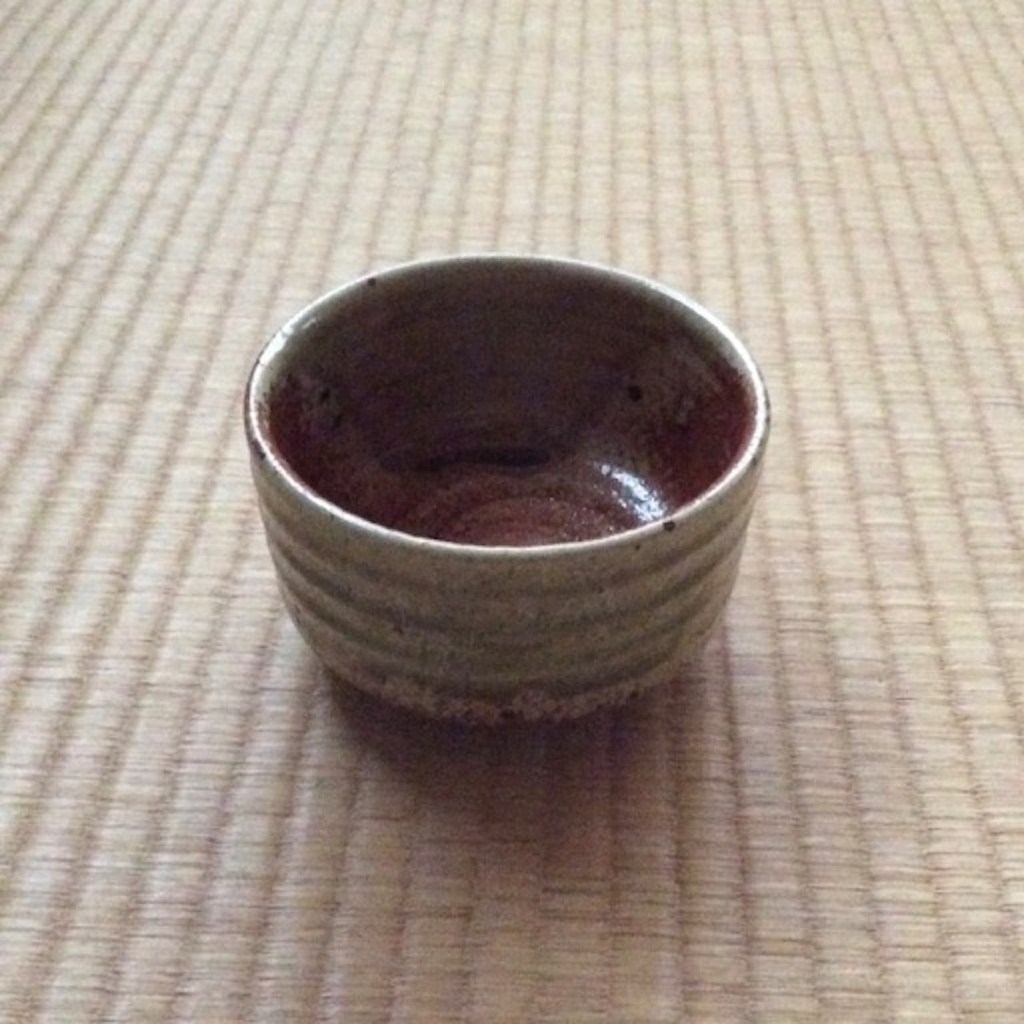
When a friend who’s a longtime Buddhist meditation teacher asked me recently if “emptiness” comes into our study and practice of chado, the Japanese way of tea, I didn’t quite know how to answer. On Talking Tea we had chatted a bit about emptiness in a Daoist context, and its relation to tea, in our episode Tea & Daoism: Adjacent Connections, and we touched on some of the connections between tea and Buddhism in a few of our earlier episodes. But I hadn’t thought about how, or if, emptiness comes into play in the specific practices of the Japanese way of tea.

To explore this question further, we asked Drew Hanson, an instructor in the Urasenke school of chado and founder/owner of the Boukakuan Japanese Tea House in New Jersey, to join us again on Talking Tea. (Drew was our guest in two earlier Talking Tea episodes, Tea, Heart to Heart and Chabana: Flowers for Tea.) 

Continue reading “Emptiness in Tea Practice”

The Korean Way of Tea, with Brother Anthony of Taizé

Jirisan, a historic tea growing region in South Korea

For quite some time we’ve been wanting to explore Korean tea culture on Talking Tea, so we’re very happy to be joined in this episode by Brother Anthony of Taizé, a prolific writer, translator and teacher and co-author of two notable books on Korean tea, The Korean Way of Tea and Korean Tea Classics.   

Read the full show notes

Talking Teapots, In-Depth with Scott Norton

IMG_4063

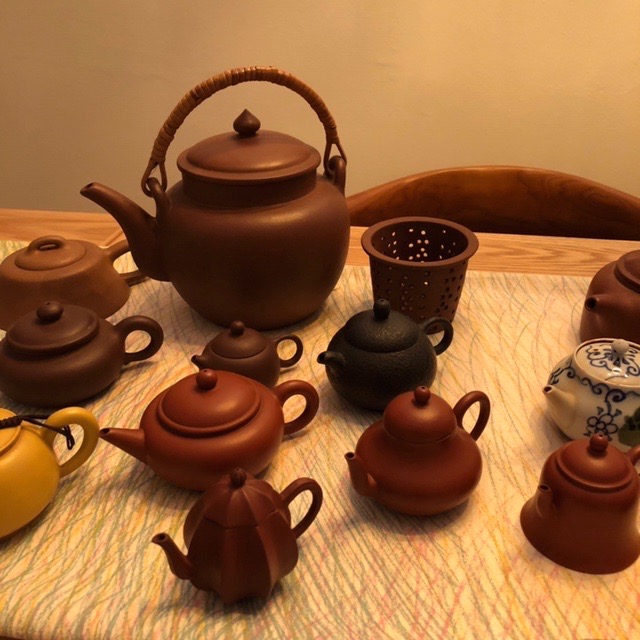
When a listener requested an episode about teapots. we realized that this was a topic we haven’t really delved into on Talking Tea. And having attended one of tea blogger, writer and teacher Scott Norton’s incredibly comprehensive seminars on yixing teaware, we invited Scott to join us for an in-depth overview of teapots, their design elements, their history and how to best match your teapots with your teas.  Read the full show notes

Chemistry, Climate Change, Bugs & Tea

5065492490_1bc4664755_o

Today we’re exploring a bit of tea science on Talking Tea. We’re joined by Eric Scott, a tea scientist and researcher at Tufts University, to chat about some of the ways a basic understanding of the science of tea can benefit us as tea consumers and tea professionals, and to get a glimpse into the research Eric is doing on the effects of climate change on tea and tea markets. Read the full show notes

Pairing Tea and…Cheese?


IMG_0985

Most everyone is familiar with pairing wine and cheese, but pairing tea and cheese is much less well known and less understood. (By the way, that’s tea in the glass in the photo above, not wine.) Some tea drinkers may even find the idea of tea and cheese pairing a bit counterintuitive, if not a bit, well, odd. But at Talking Tea we’ve experienced some delicious pairings of tea with cheese, so we wanted to explore the issue more in depth.  Read the full show notes

Chaxi: Harmony, Art & Expression in Tea

Screen Shot 2019-04-25 at 11.56.37 AM

We’ve been wanting to explore chaxi on Talking Tea ever since we visited the Tea Institute at Penn State University back in 2016. Tea was prepared and served to us by students in the Chinese tea track at the Institute with a degree of artistry and calm precision we had never quite witnessed anywhere else, and when we asked some of the students where they learned to prepare tea in this way, they suggested we speak with one of their teachers and mentors, Stéphane Erler, to learn more about chaxi, an artistic expression of tea originating in Taiwan.  Read the full show notes

Dark Tea Comes Out Of The Shadows

Zang Cha - Gan Hong (1)

Today we’re chatting with Zhen Lu and Phil Rushworth of Zhen Tea about a category of tea that’s not widely understood outside of China or even within China, and that’s heicha, or “dark tea”, hailing from outside the pu erh region. You may remember Zhen and Phil from our earlier episode “Lapsang Souchong – Beyond the Smoke”, and today we’re chatting at the Zhen Tea headquarters in Ottawa, Canada.  Read the full show notes

Choosing Teaware for Flavor, Aroma and Experience

Version 2

Today we welcome back to the show Kevin Gascoyne, of Montreal’s Camellia Sinensis Tea House, to chat with us in depth about how our choices of teaware impact the flavors, aromas and overall experience of the teas we drink. Kevin is often seen sporting his signature Royal Albert teacup, and that prompted us to ask Kevin what’s the deal with this oh-so-English-looking cup. His initial answer inspired us to want to explore more fully how our choice of cup and brewing vessel affect our enjoyment of tea.  Read the full show notes